
 English
  Español
  Français
  Italiano
  Português
  Deutsch
  Nederlands
  Norsk
Norsk What we source
Premium seafood and specialty food, confirmed item by item.
We are importers. Over more than twenty years we have met producers across the world, and from that long list we select the products we bring into the United States, each with its origin and its story intact, and each confirmed with its producer before it is offered to a kitchen.
THE RANGE
We import for professional kitchens
The list is short on purpose. A product joins it when it has a clear point of difference, reliable production and a real place in a professional kitchen, and when we have met the people who make it. Producers who meet that standard are welcome to propose theirs.
-
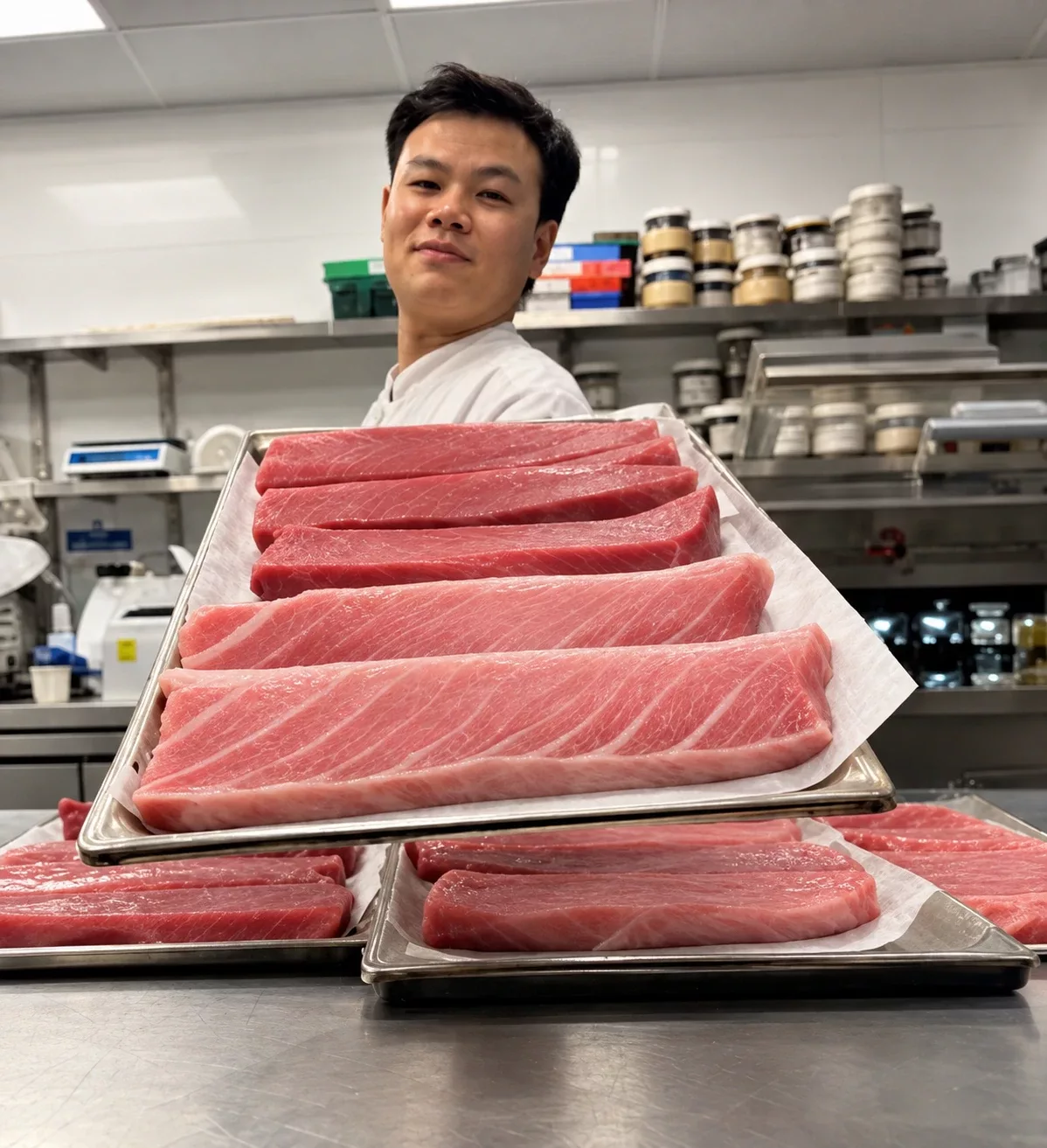
Fatty Bluefin Tuna
Atlantic bluefin caught wild by traditional methods, finished in sea pens on mackerel and sardines until the belly carries the fat that makes toro, harvested by ikejime and super frozen at minus 60°C (minus 76°F), which fixes color, texture and flavor at harvest. Otoro melts on the tongue, chutoro balances fat and flesh, akami is lean and deep red. Sashimi, nigiri and crudo, in saku blocks or loins. Every lot travels with its ICCAT document.
- Origin
- Spain
- SPECIES
- Thunnus thynnus
-
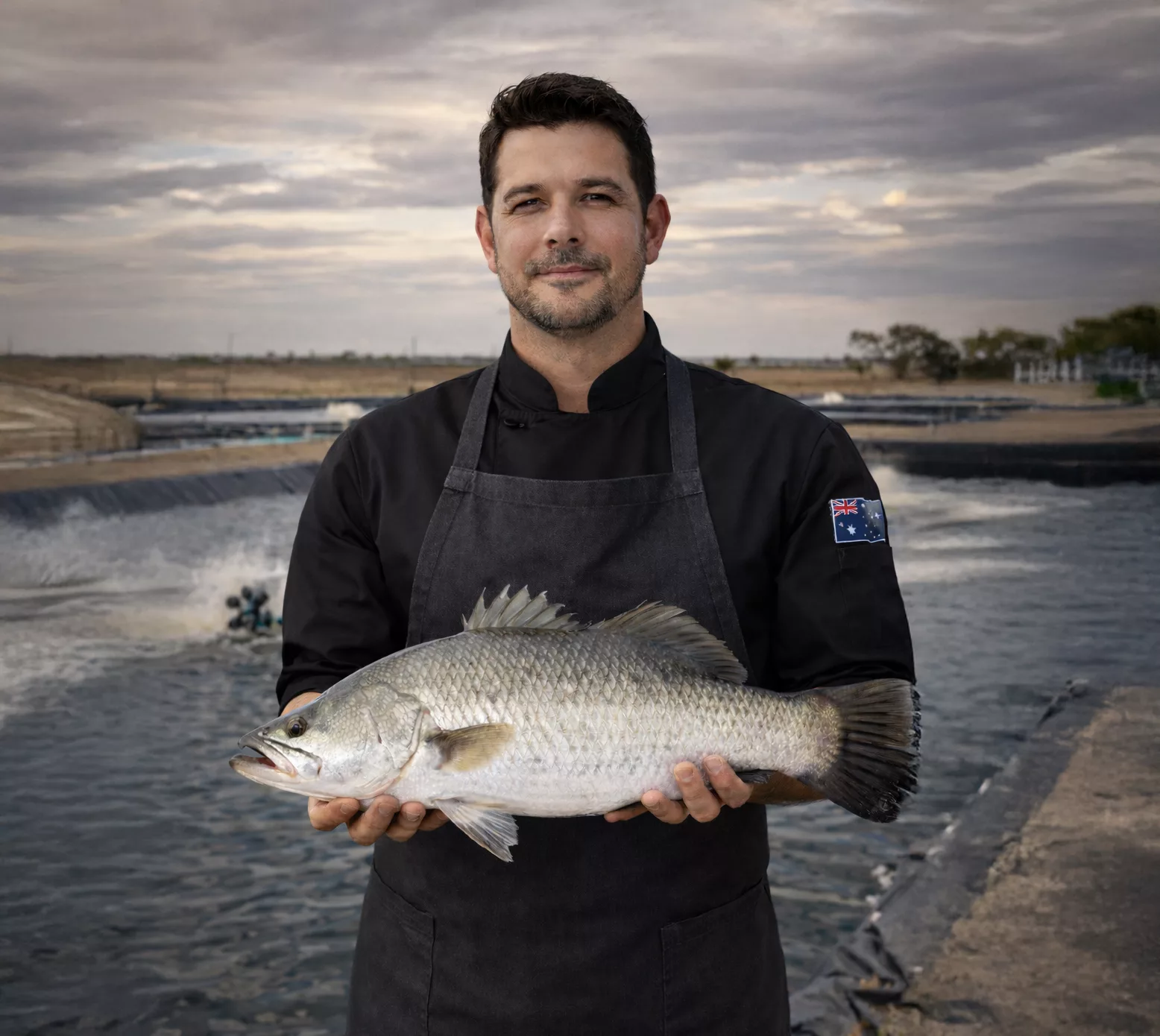
Barramundi
Raised indoors in Australia, in warm, brackish water from a geothermal aquifer 300 meters below the farm, in a recirculating system that discharges nothing to the sea. The farm states its fish are free of antibiotics, hormones and colorants, and holds Best Aquaculture Practices certification. Stunned in ice brine and chilled fast. Firm white flesh, large moist flakes, a mild, buttery flavor and a skin that crisps well in the pan or on the grill.
- Origin
- Australia
- SPECIES
- Lates calcarifer
-
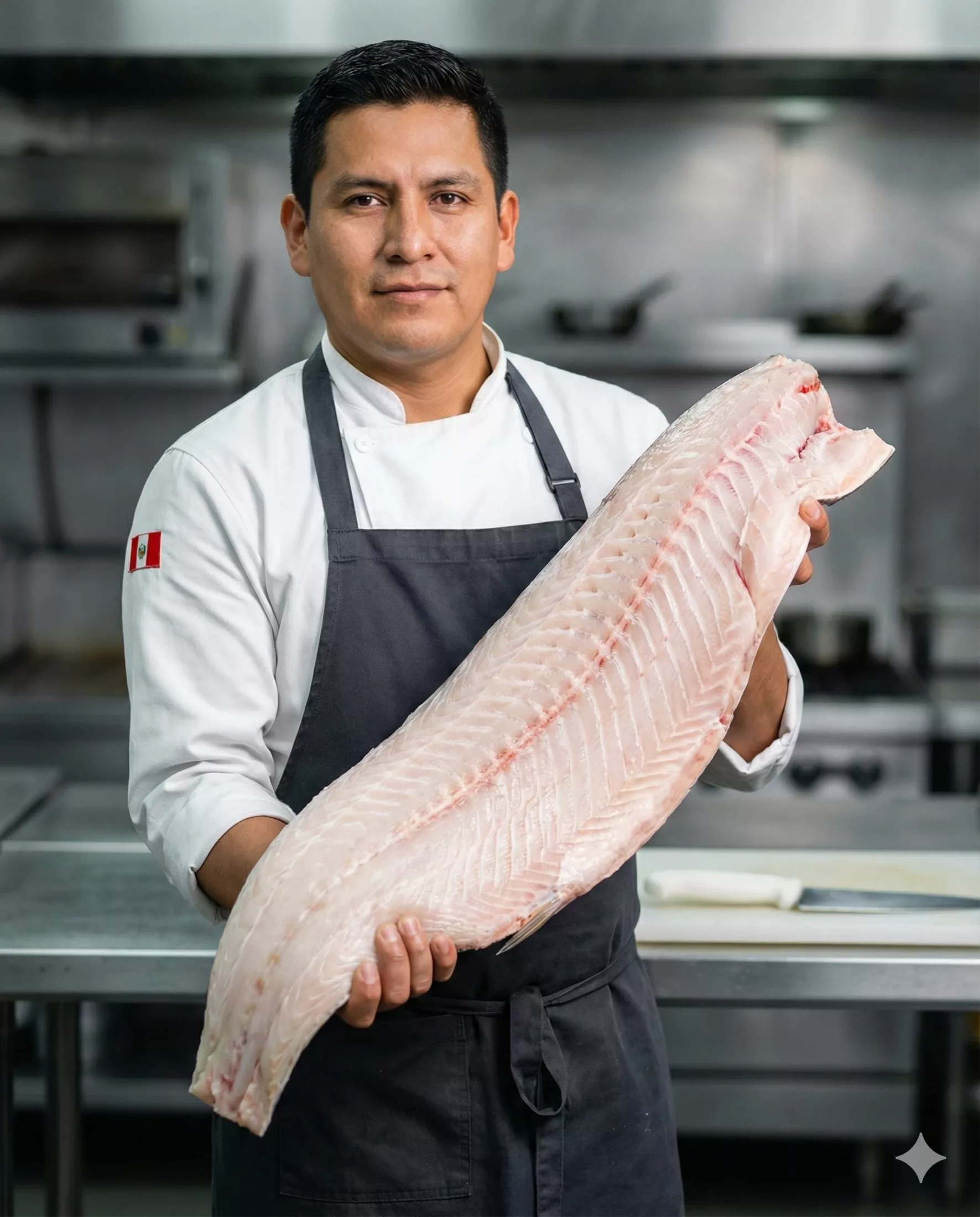
Paiche
Also called arapaima and pirarucu, one of the largest scaled freshwater fish in the world, raised in ponds in its native Peruvian Amazon on formulated feed. Firm, white, boneless fillets with a clean, mild taste and a meaty bite that stays moist. Grill, plancha, roast or slow cook, whole or as loin, belly and tail portions. Every shipment travels under its CITES export permit and clears U.S. wildlife inspection.
- Origin
- Peru
- SPECIES
- Arapaima gigas
-
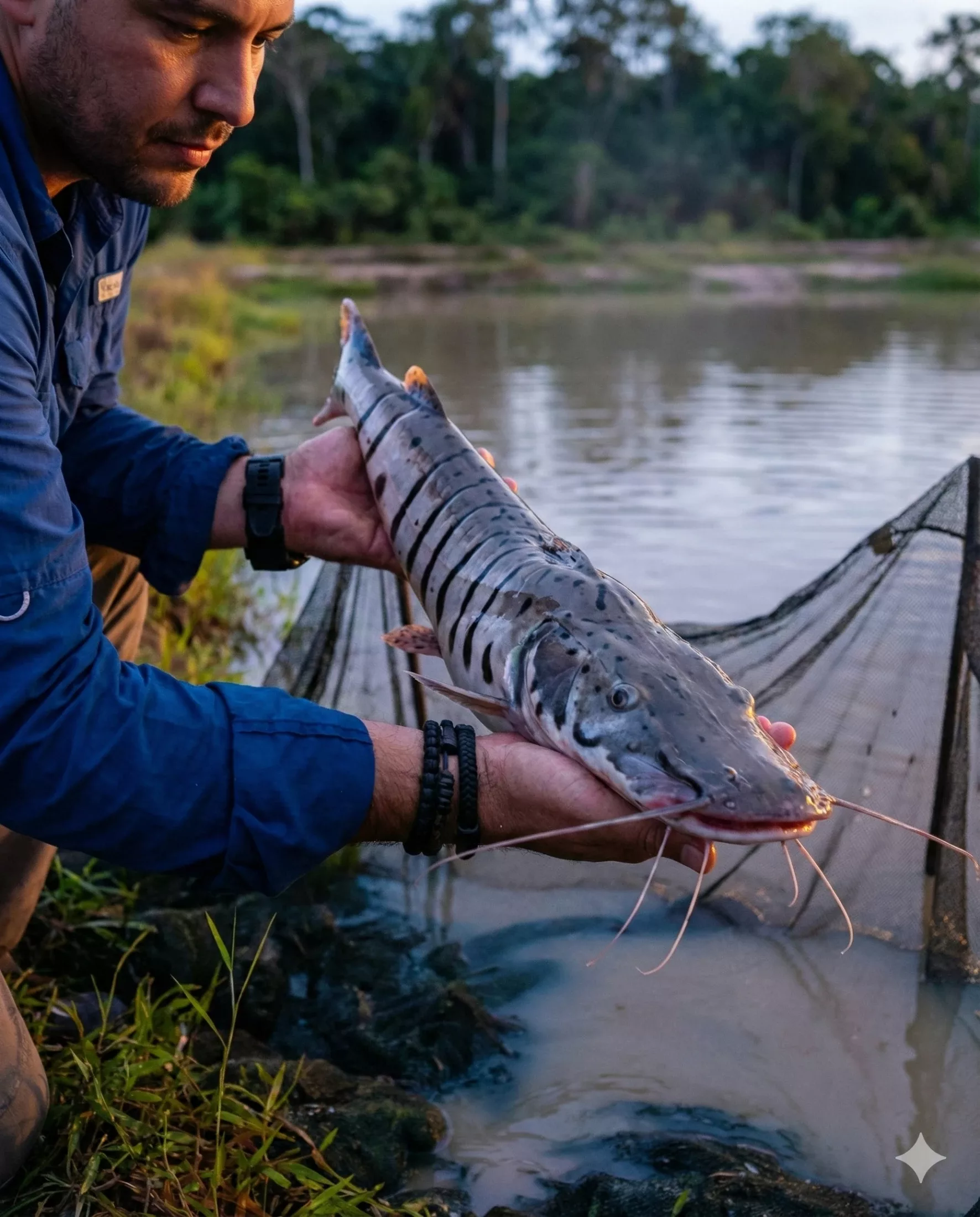
Doncella
A striped freshwater fish of the Peruvian Amazon, long a regional delicacy and rarely seen outside it, raised in pilot production by the same producer as our paiche. Delicate, clean, lightly sweet flesh with a fine texture. In the Amazon it goes into broths or is wrapped in leaves and cooked over embers. It can be exported to Europe, under the rules of each market. It is not offered in the United States.
- Origin
- Peru
- SPECIES
- Pseudoplatystoma punctifer
-
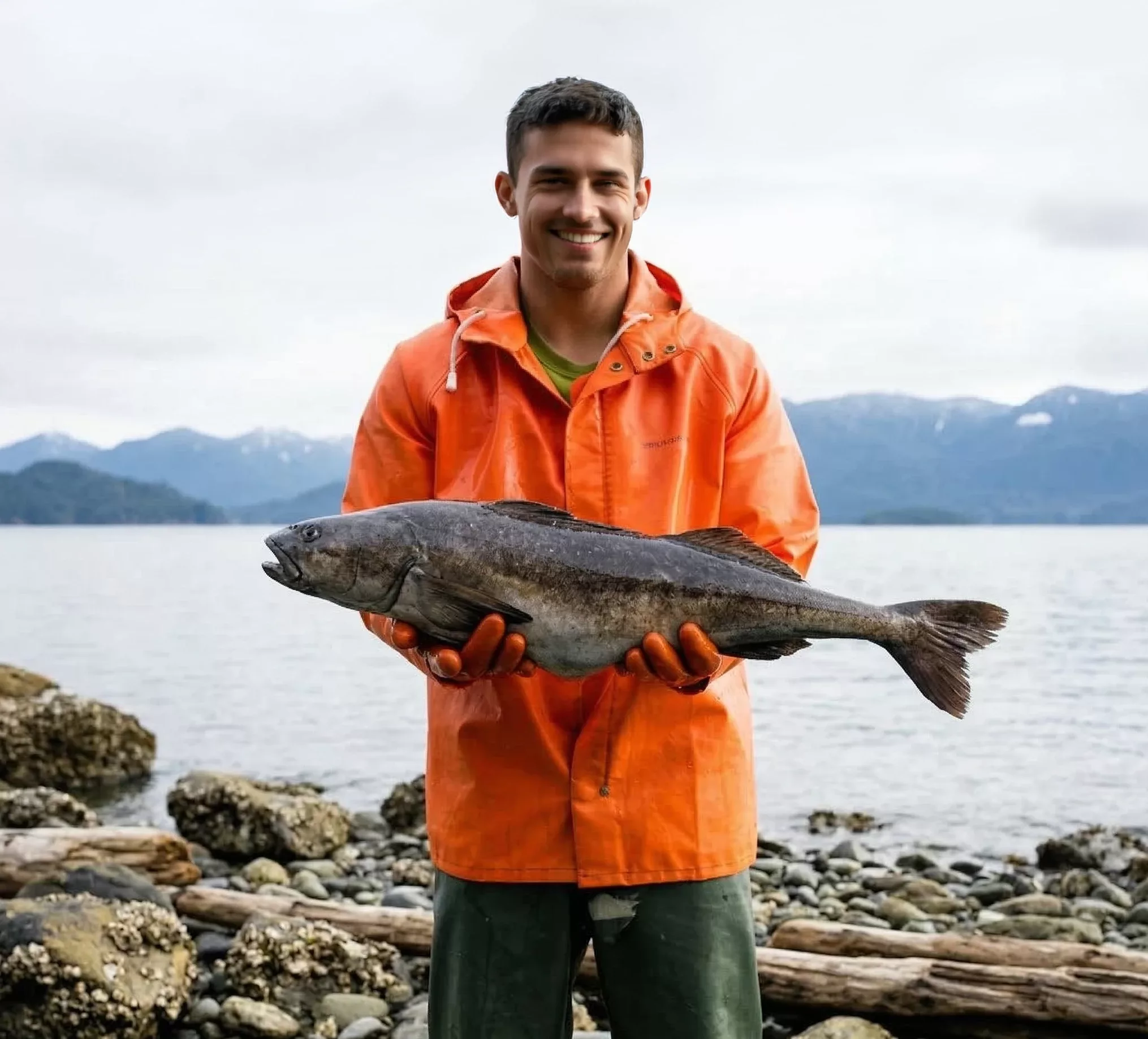
Black Cod
Wild sablefish caught by hook or trap in the cold, deep North Pacific off Alaska and British Columbia. Rich, silky flesh, large delicate flakes and a natural oil that keeps it moist even cooked a little long. Miso glaze, grill, smoker or steam, it forgives a busy pass. Traced from the vessel to cold storage in Miami and sold as black cod or sablefish.
- Origin
- Canada & USA
- SPECIES
- Anoplopoma fimbria
-
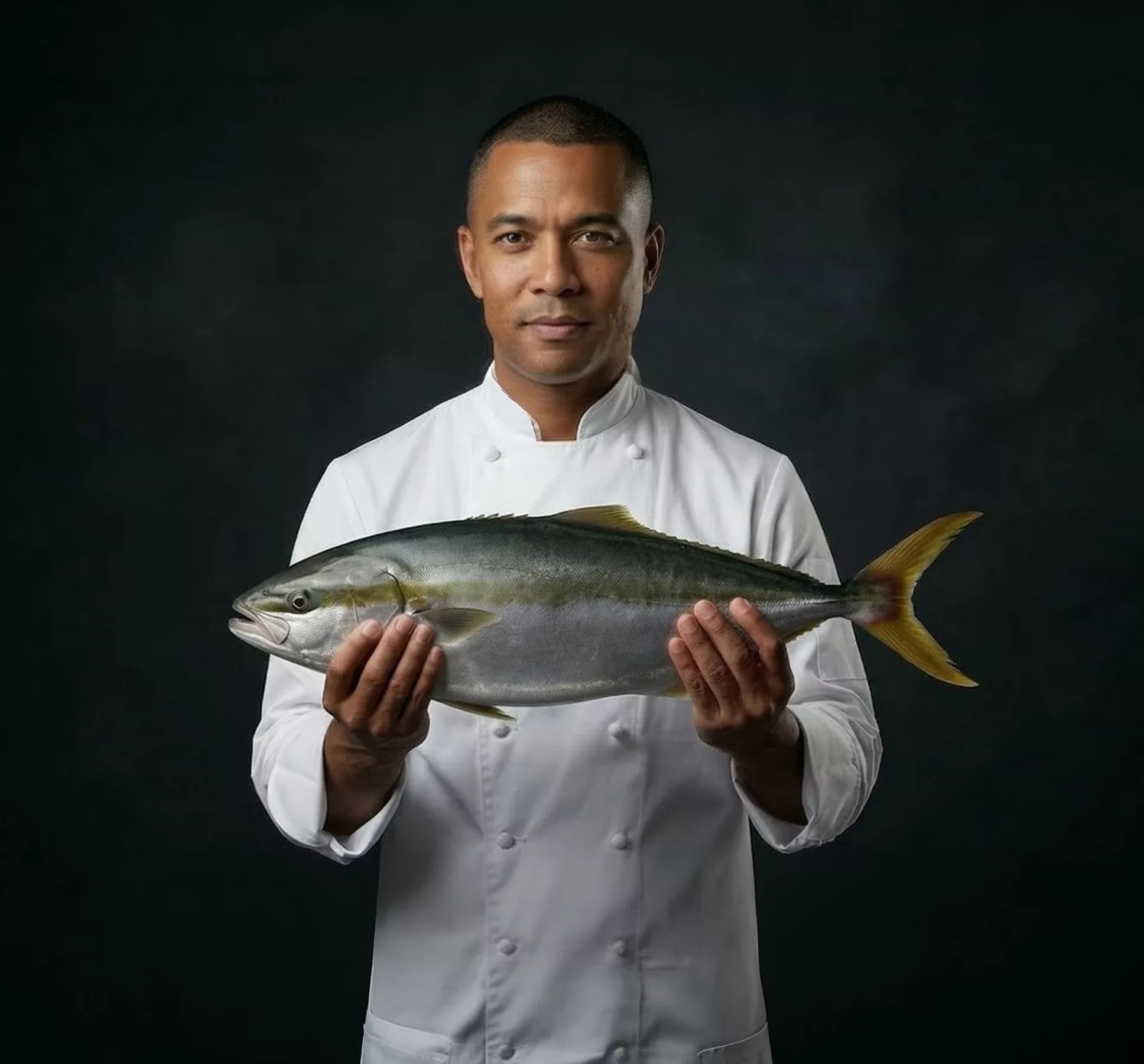
Yellowtail
The yellowtail known in Japanese kitchens as hiramasa, raised on land in clean, filtered sea water where every fish grows under the same controlled conditions, and harvested by ikejime. Firm, pale flesh with a fine grain, a clean flavor and a rich, buttery finish, for sashimi, crudo, ceviche or the grill. Each lot is named by its exact species on every document, because in the United States several different fish are sold as yellowtail.
- Origin
- Denmark & Japan
- SPECIES
- Seriola lalandi & quinq.
-
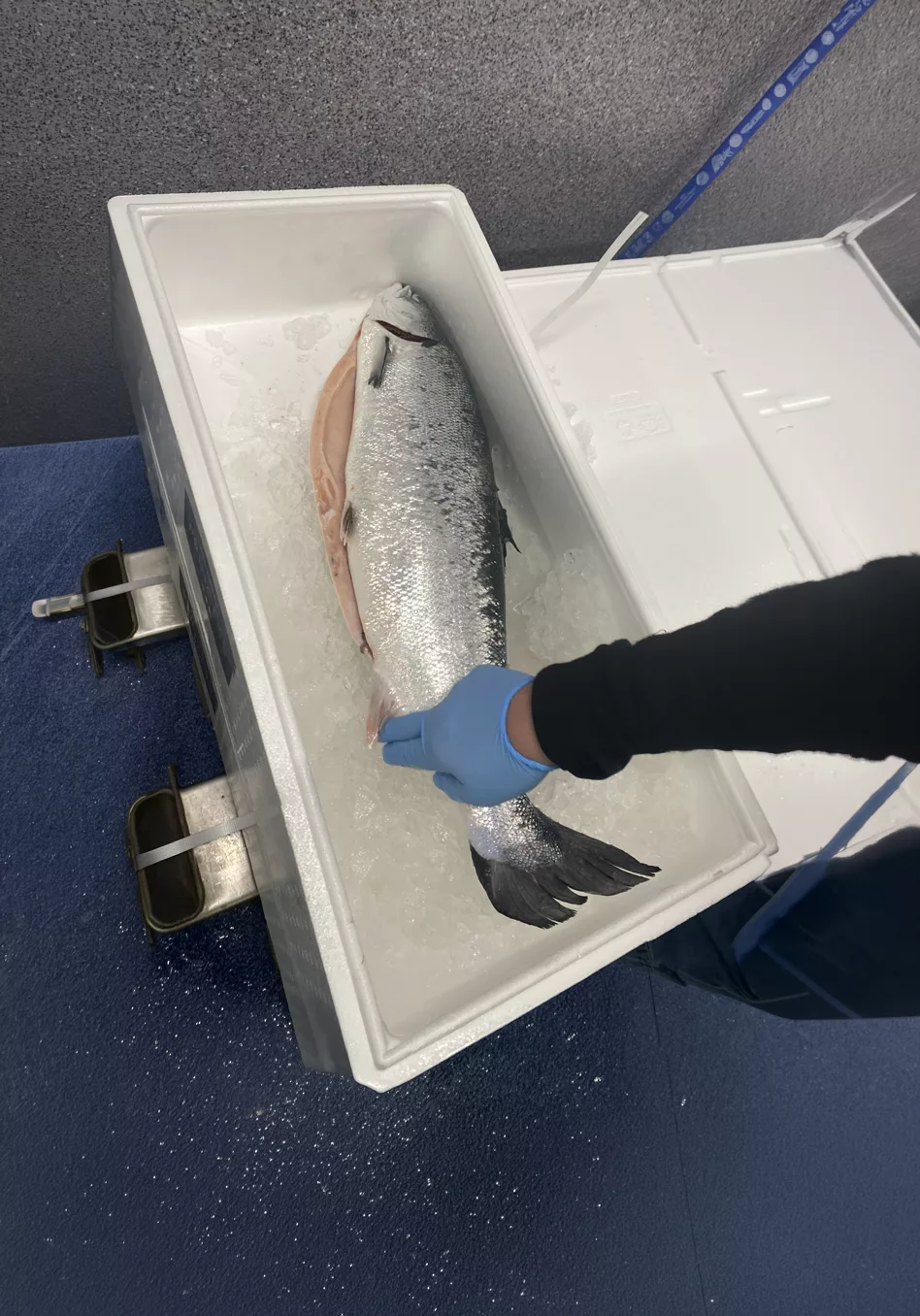
Atlantic Salmon
Raised in cold fjord water with strong currents along the Norwegian coast, from farms chosen one by one. Firm texture, clean fat, even color and a mild, round flavor. Whole on ice or as fillets, for kitchens that cure, smoke, portion or serve it raw in house. Every lot is traceable to its farm, and the chef learns where and how it was raised.
- Origin
- Norway
- SPECIES
- Salmo salar
-
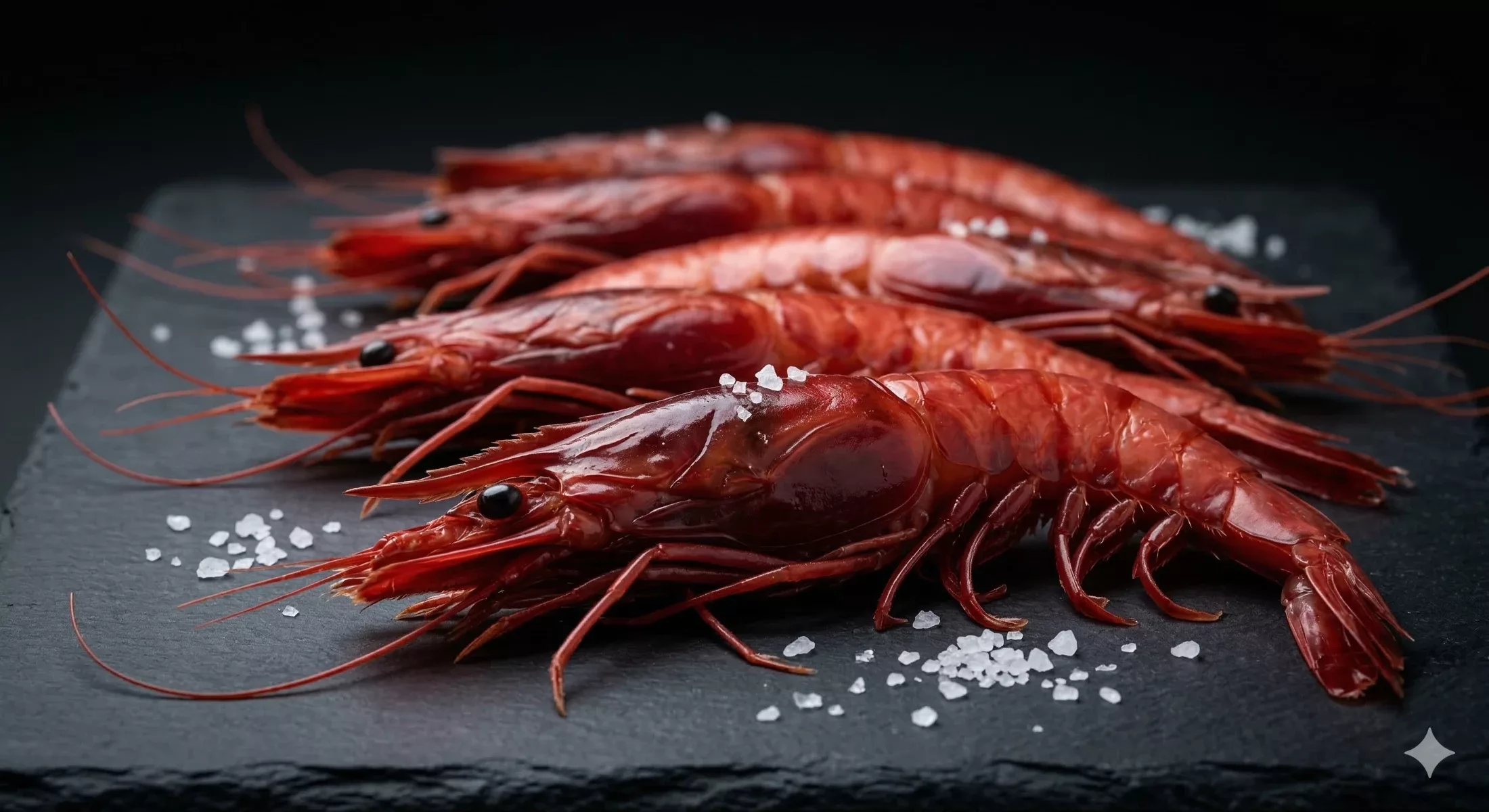
Carabineros
A deepwater shrimp of the eastern Atlantic, landed and graded in Spain and treasured in Spanish cooking. Delicate, sweet tail meat under a deep scarlet shell, and a head rich in coral and juices that make a sauce or a rice. On the plancha, in a rice, or with barely any heat at all. Each lot is graded by size and documented from the vessel to cold storage in Miami.
- Origin
- Spain
- SPECIES
- Aristaeopsis edwardsiana
-
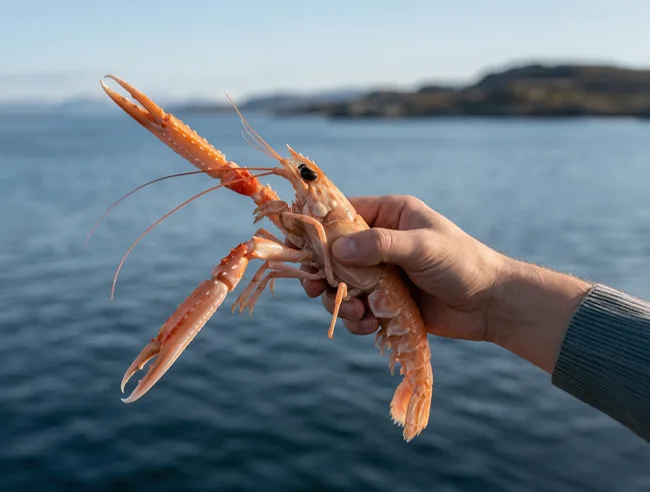
Norway Lobster
The langoustine of the cold, deep waters off Norway, a fragile shellfish handled with care. Sweet, delicate tail meat under a fine pale shell, with heads and shells that give a deep stock for bisques and sauces. Raw as a carpaccio, poached for seconds, or roasted whole. Kept cold from the boat to the kitchen, because it loses its texture quickly otherwise.
- Origin
- Norway
- SPECIES
- Nephrops norvegicus
-
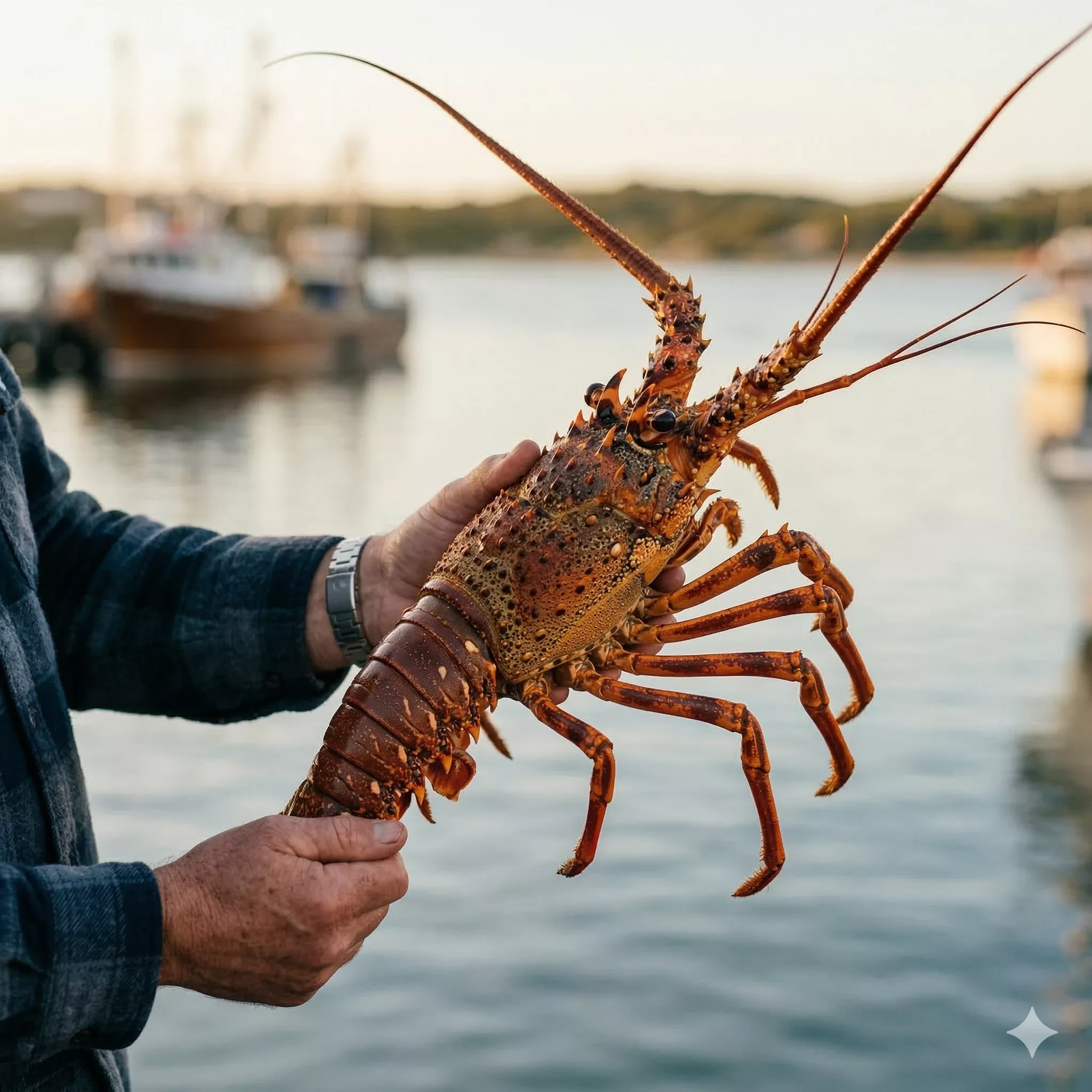
Spiny Lobster
The western rock lobster of Western Australia, caught in baited pots in a closely managed fishery. Firm, sweet tail meat and a shell that turns deep red in cooking. Grill, steam, or a whole lobster at the table, whole cooked or raw, as tails or split, graded by size. Sold in the United States as spiny lobster and traced to its fishery.
- Origin
- Australia
- SPECIES
- Panulirus cygnus
-
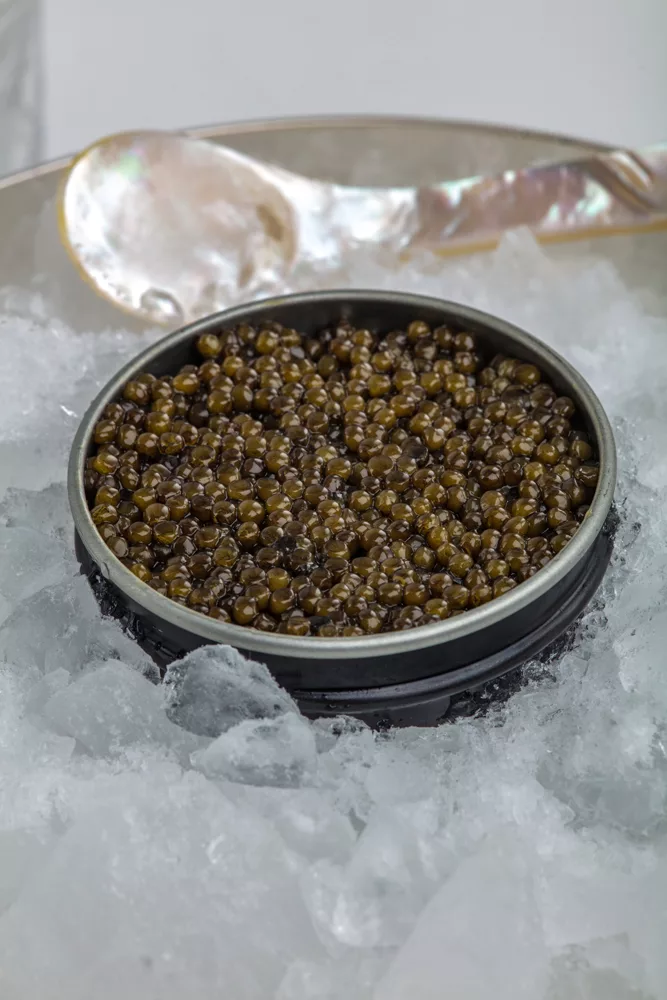
Caviars & Fish Roe
Caviar from farmed sturgeon of several species, raised slowly in closed water systems without forced growth and cured malossol, with little salt and no preservatives. Each tin graded for grain, color, firmness and sheen, from nutty and buttery to clean and briny, kept at the edge of freezing. For tasting menus, raw bars and the last touch on a plate. Every tin enters with its CITES documents, universal caviar label and U.S. wildlife clearance.
- Origin
- Multiple origins
- SPECIES
- Multiple species
-
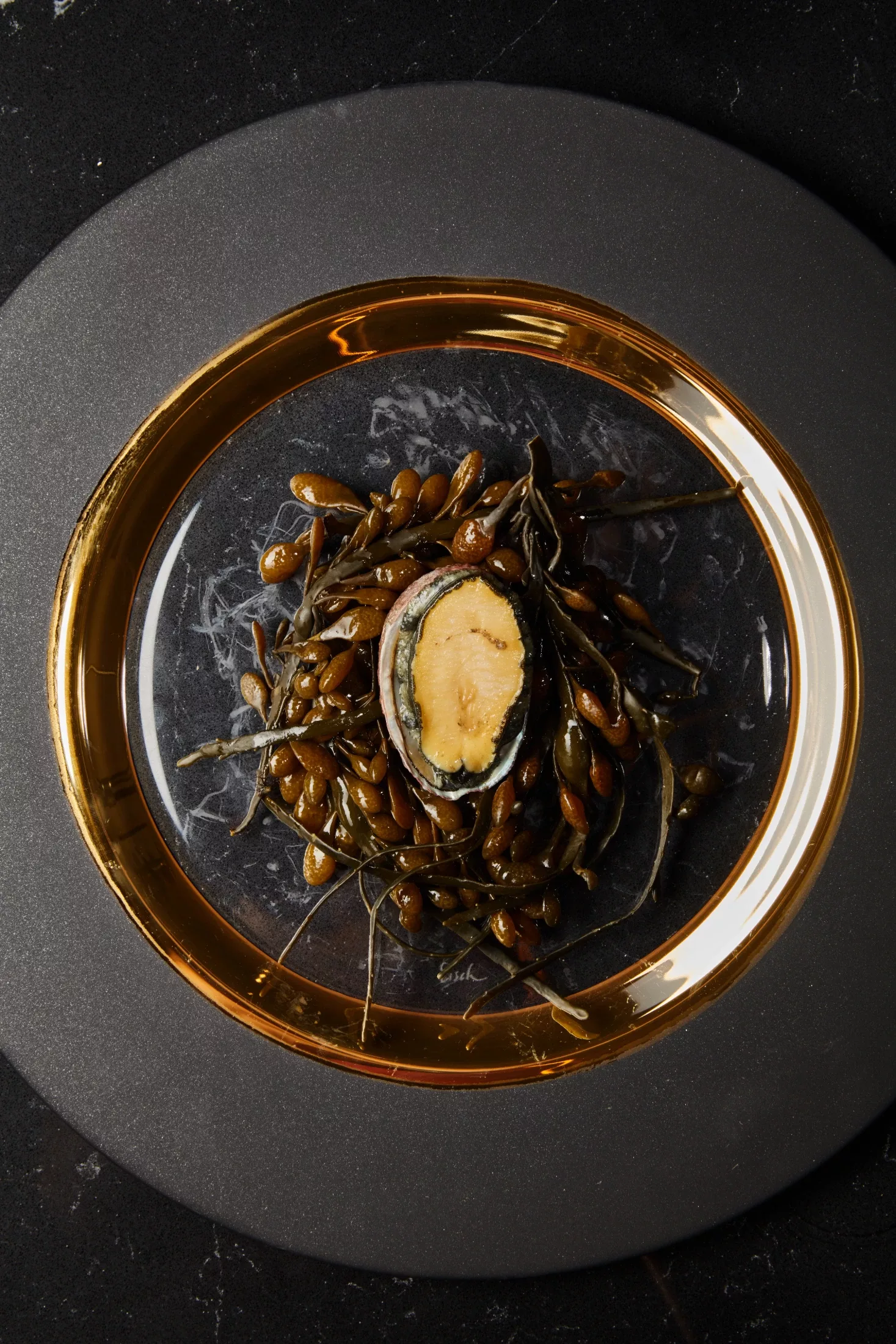
Abalone
Abalone from cool coastal waters, selected for size and tenderness, a shellfish long prized in Chinese and Japanese cooking. Dense, tender flesh with a clean, sweet, briny taste. Thin raw slices, a quick turn on the grill, or a slow braise that makes it silky. Traced from farm or fishery to the kitchen, with the harvest records U.S. import monitoring requires.
- Origin
- Australia & USA
- SPECIES
- Haliotis spp.
-
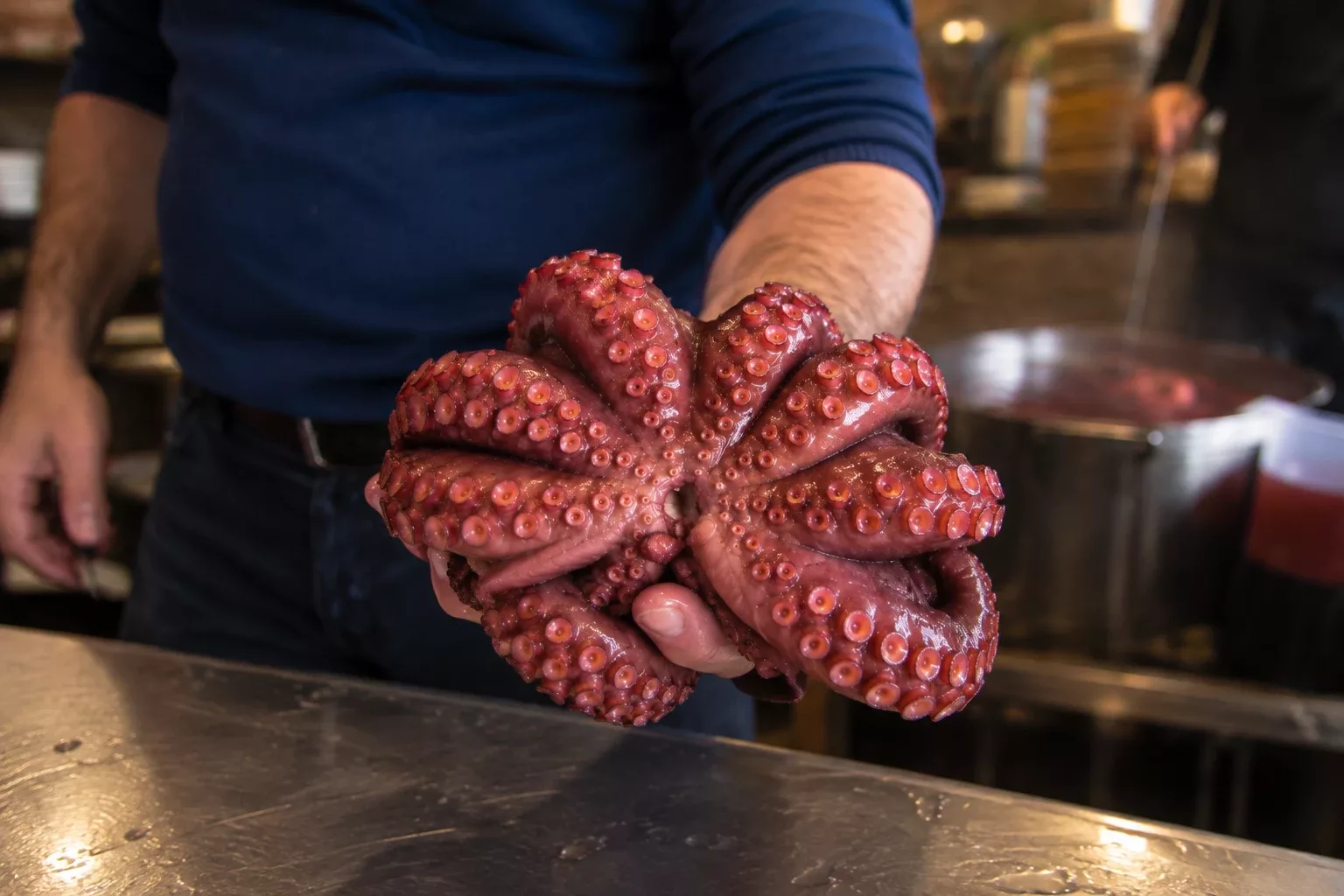
Octopus
Octopus prepared in the Galician tradition, cooked slowly in its own juices and vacuum packed, so it arrives tender and ready for the kitchen. Meaty legs with a clean sea flavor that take char well, straight to the grill, the plancha or a cold plate, saving hours of work. Whole or as legs, selected for consistent sizing, at home on Mediterranean, Spanish and Peruvian menus. Each format is checked against U.S. labeling rules before it ships.
- Origin
- Spain
- SPECIES
- Octopus vulgaris
-
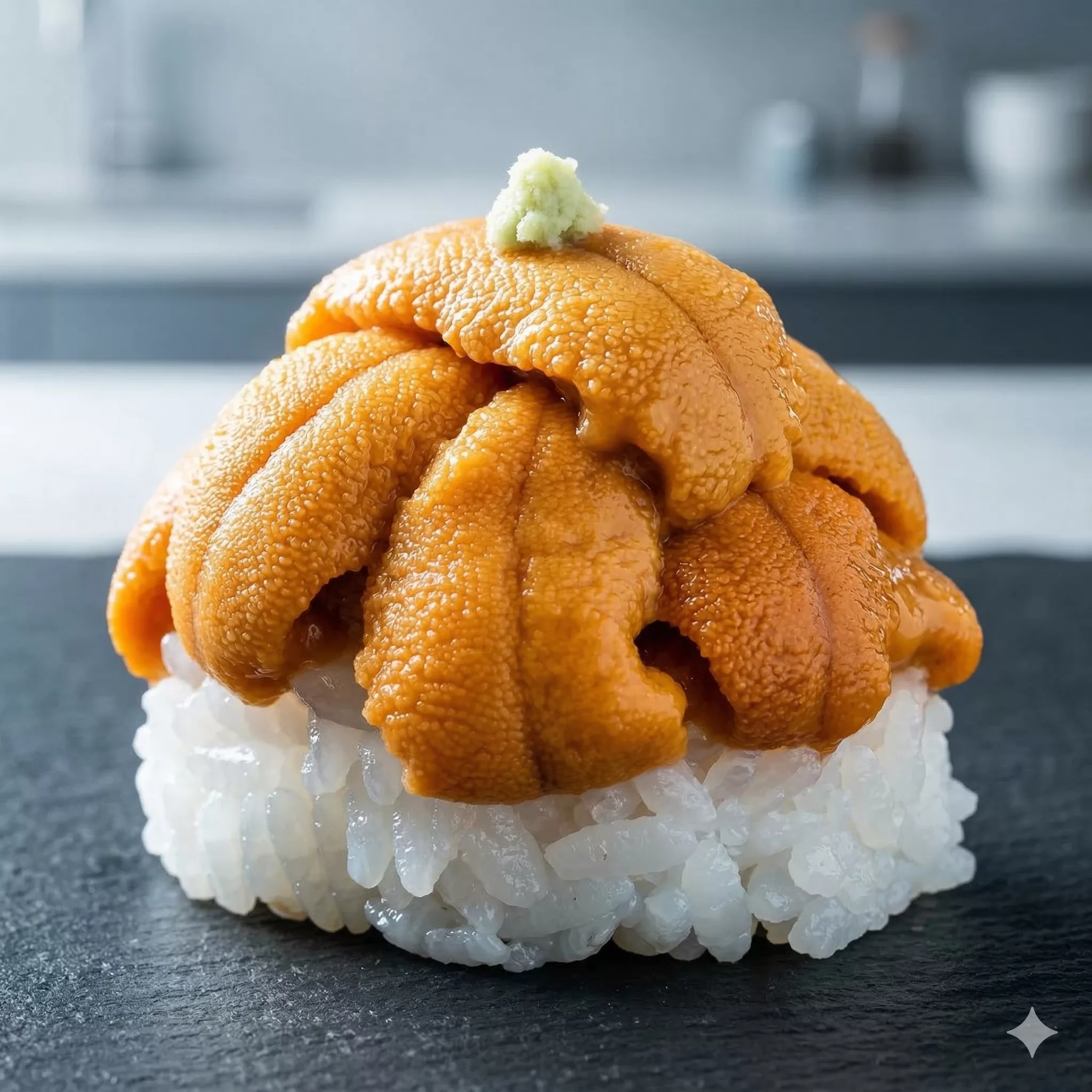
Sea Urchin
Red sea urchin from the cold Pacific waters of Canada, gathered by hand by divers. Its roe, uni in Japanese, is sorted for color and firmness, velvety orange gold tongues, sweet and briny, full of umami. For nigiri, raw bars, pasta and risotto, or spooned onto a warm dish at the pass. A product that forgives nothing in transit, so the cold chain is planned with the producer before the first order.
- Origin
- Canada
- SPECIES
- Mesocentrotus franciscanus
-
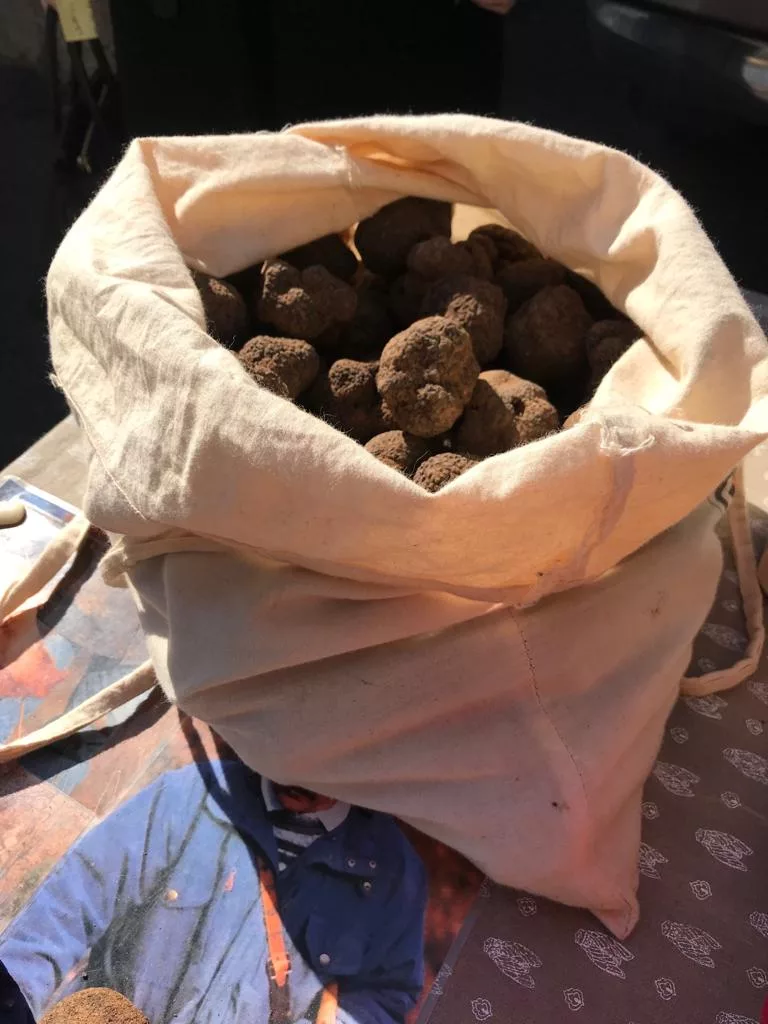
Truffles
Fresh truffles from the hills of central Italy, found by trained dogs and selected for aroma, firmness and size. White truffle in autumn, black winter truffle in the cold months and summer truffle in the warm ones, each confirmed with the producer before every order. Shaved at the pass over pasta, risotto or eggs. Every lot travels fast and cold, because aroma fades by the day. Butter, sauces and oils carry the flavor the rest of the year.
- Origin
- Italy
- SPECIES
- Tuber spp.
-
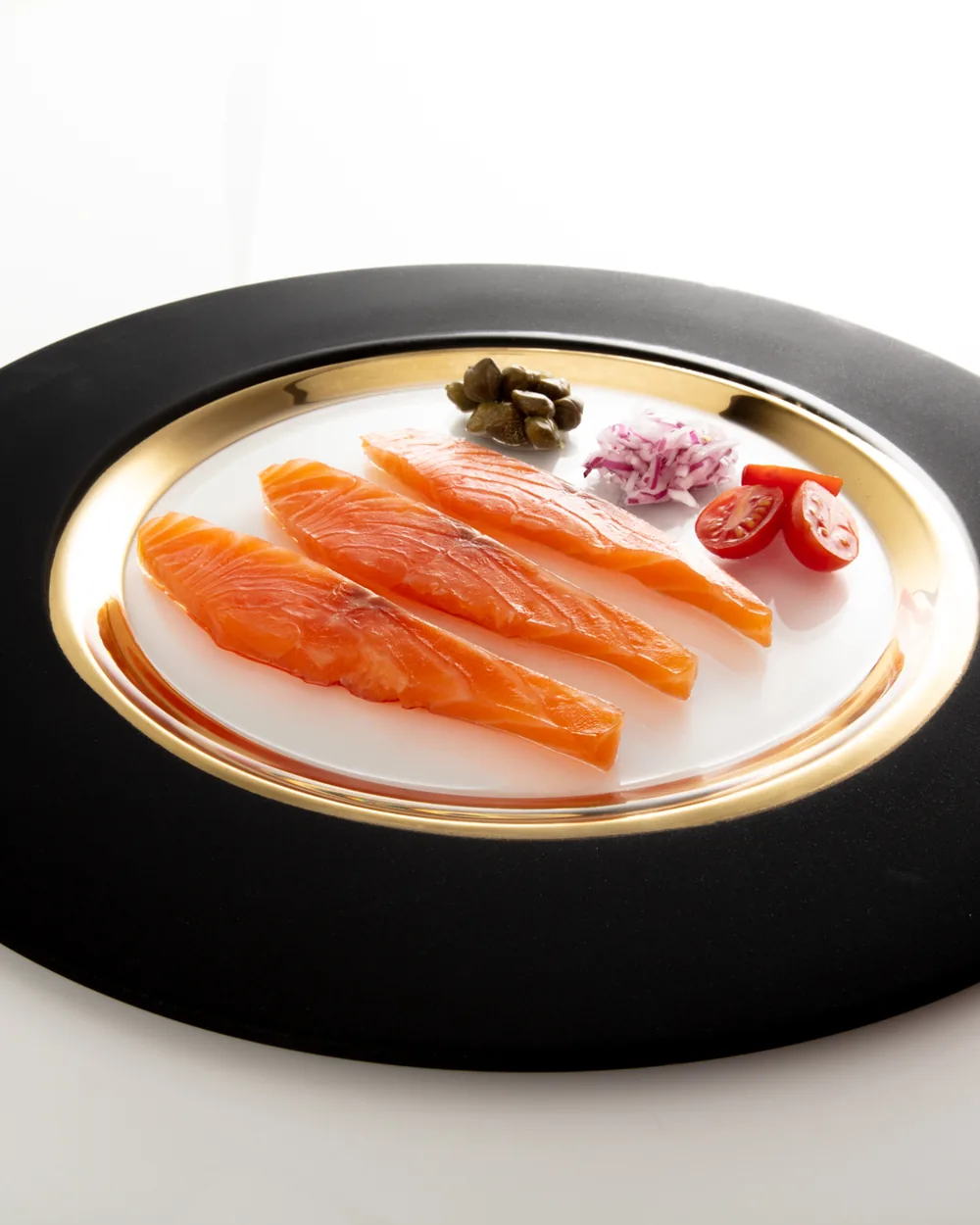
Smoked Salmon
Cold smoked Atlantic salmon from a small artisan smokehouse in Norway, in limited batches from carefully selected farmed fish. Each side is salted, dried and smoked slowly over many days, the traditional Norwegian way. Silky texture, a clean smoke and a long, gentle finish, cut thin or thick for breakfast, canapés or a tasting menu. Smoked fish falls under strict U.S. food safety rules, and we verify the smokehouse plan against them first.
- Origin
- Norway
- SPECIES
- Salmo salar
-
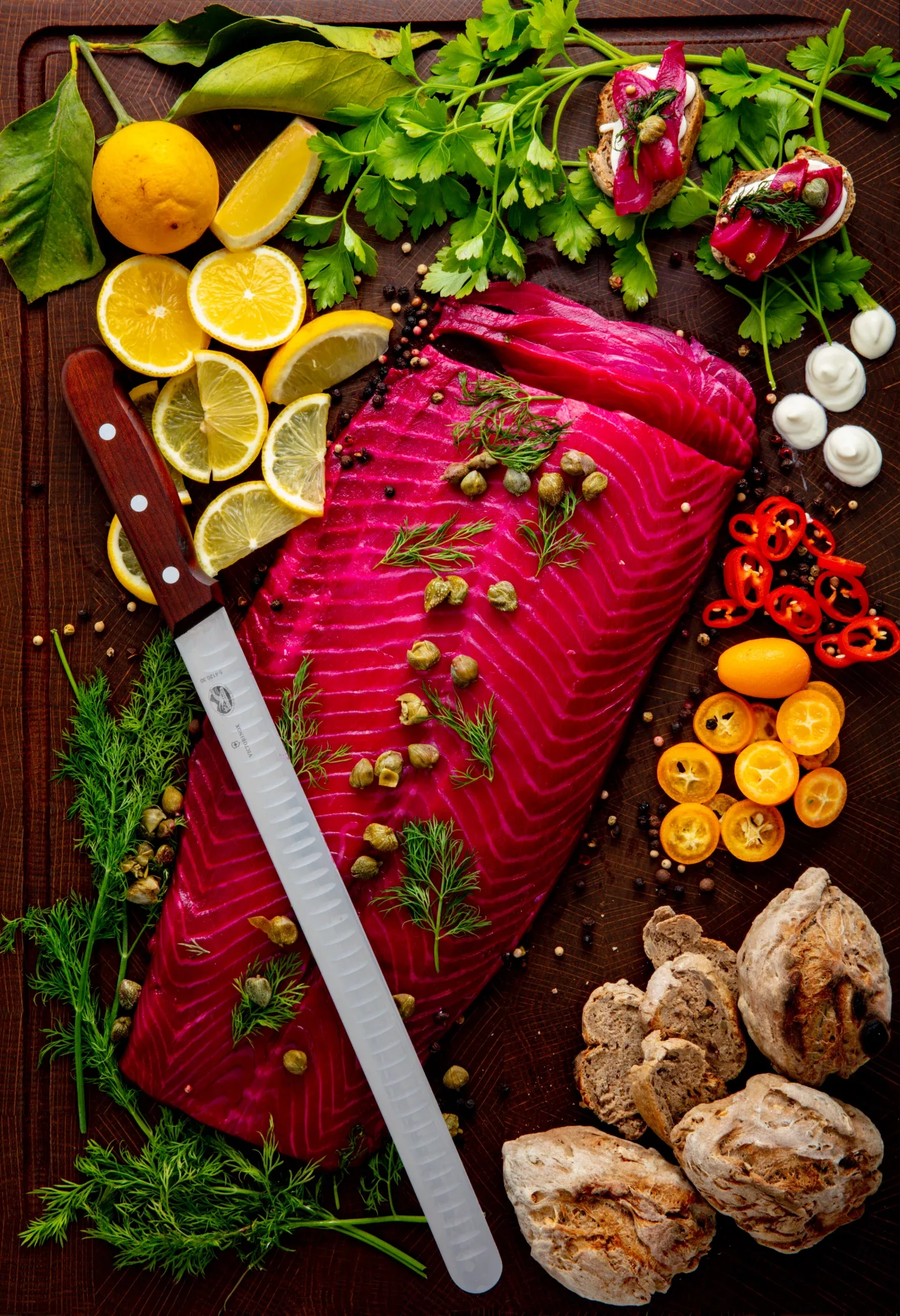
Marinated Salmon
Salmon cured in the Nordic gravlax tradition with beetroot, salt, sugar and dill, from the same Norwegian smokehouse and the same carefully selected fish. A deep crimson edge, a gentle, earthy sweetness lifted by fresh dill, and a firm, silky slice. Ready to slice for a cold plate, a tartine, a canapé or a tasting menu. Cured rather than cooked, it is imported and stored under the same strict U.S. food safety controls as our smoked salmon.
- Origin
- Norway
- SPECIES
- Salmo salar
-
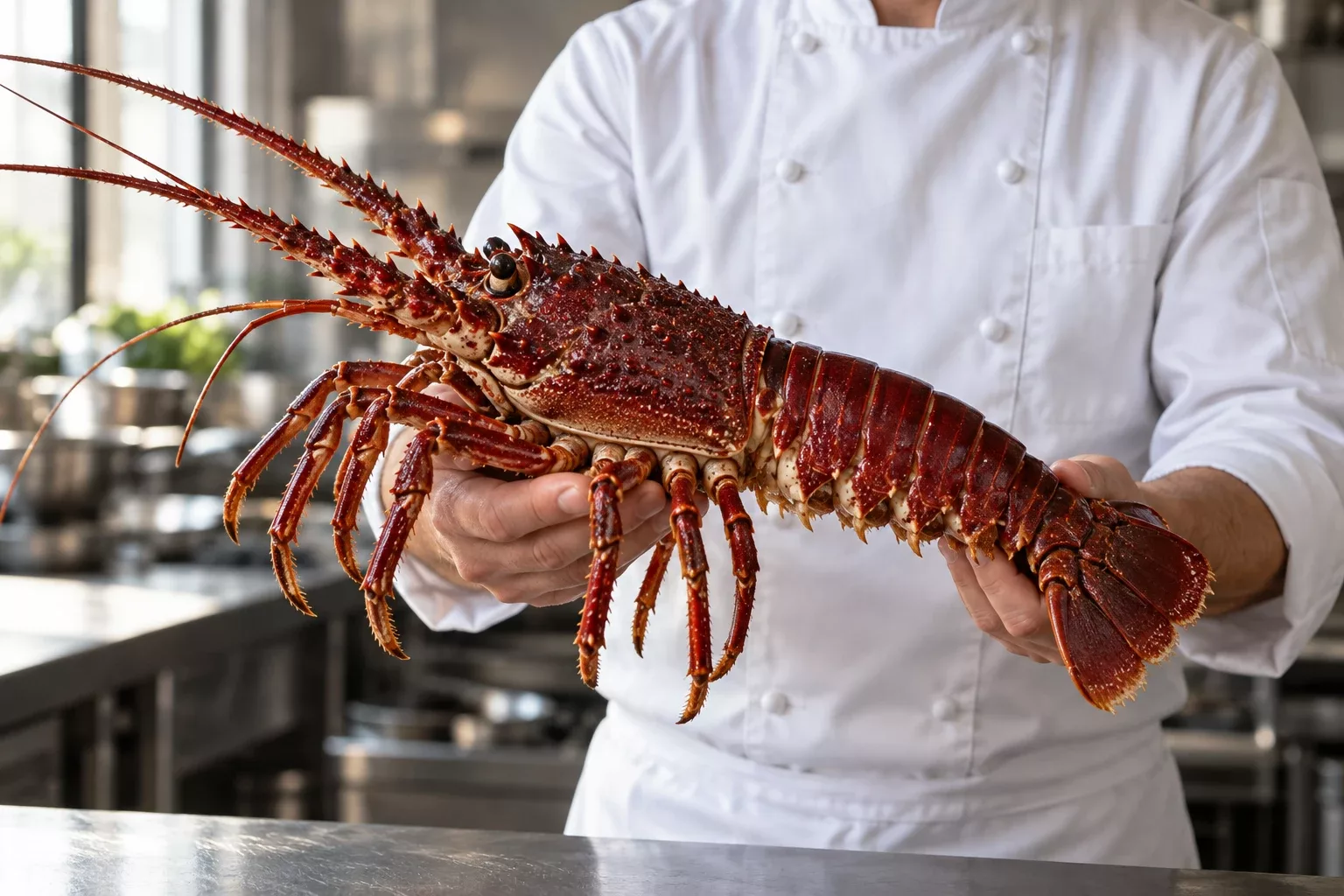
Southern Rock Lobster
Wild southern rock lobster from the cold Southern Ocean off South Australia, caught in baited pots. Sweet, delicate yet firm white flesh under a deep red shell. Sashimi, the grill, or a whole lobster at the table, whole cooked or raw, as halves or tails, graded by size. Sold in the United States as rock lobster or southern rock lobster, and traced to its fishery.
- Origin
- Australia
- SPECIES
- Jasus edwardsii
-
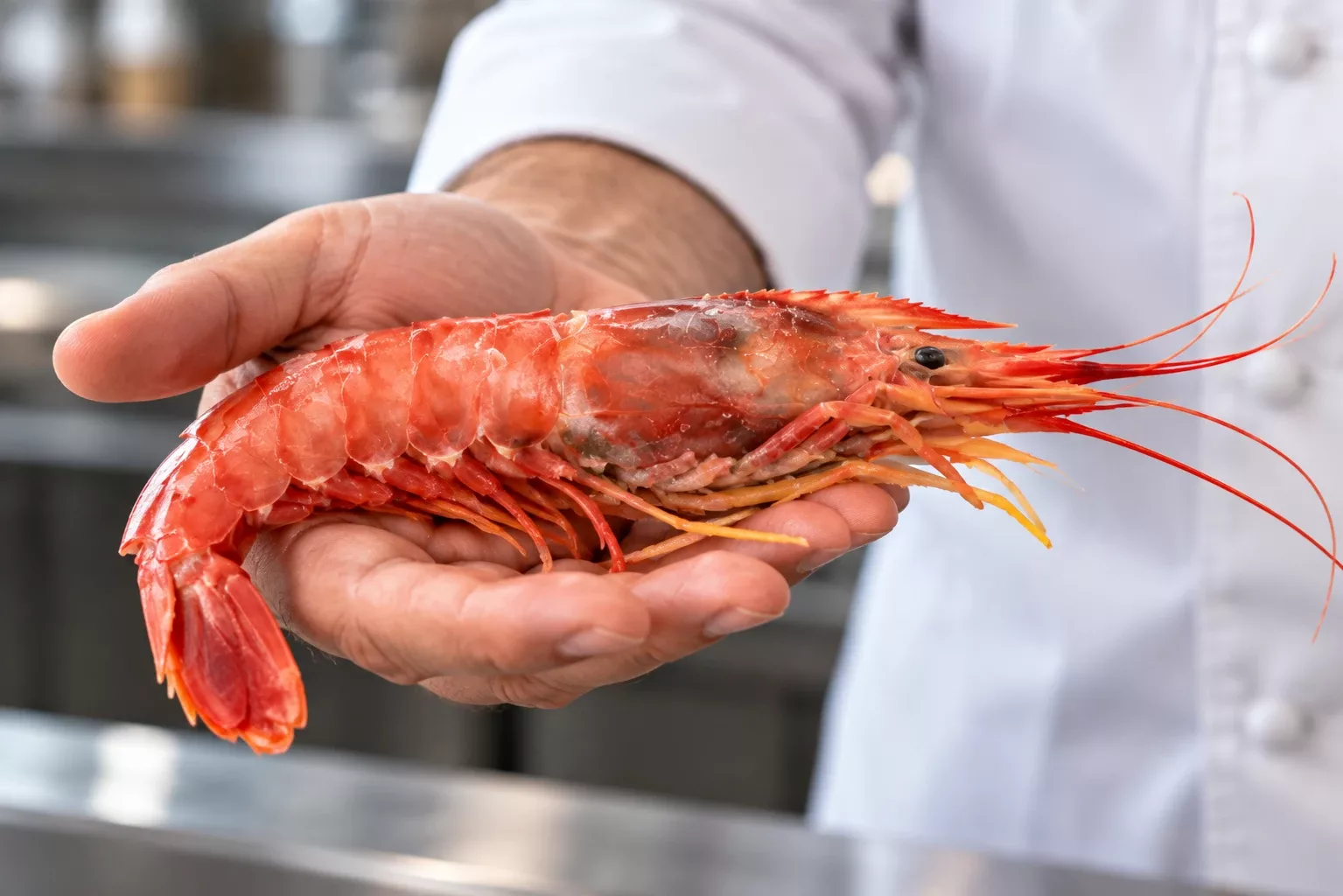
Argentine Red Shrimp
Wild red shrimp from the cold waters off Patagonia, frozen on board or landed fresh for processing. Naturally red even when raw, with sweet, tender meat often compared to lobster. Moments on the plancha, the grill or in a pan, whole or as tails, graded by size. Every import enters with the harvest records U.S. seafood import monitoring requires for shrimp, traced from the vessel to the port.
- Origin
- Argentina
- SPECIES
- Pleoticus muelleri
-
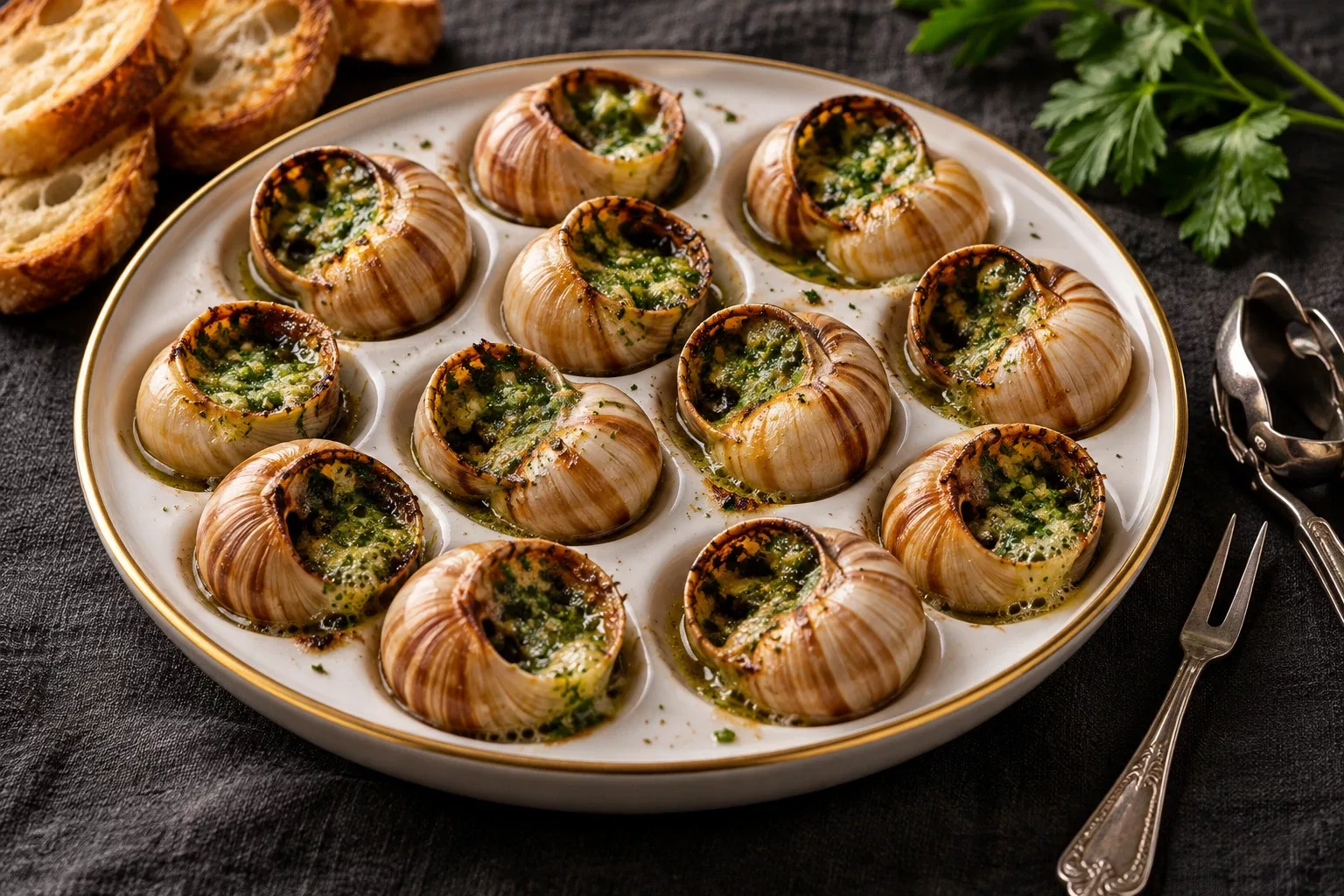
Escargots
Farmed snails from the Loire Valley, raised in open parks and prepared in France in the Burgundy tradition. Tender, earthy flesh that carries garlic butter, herbs and wine. Cooked in a court bouillon, or stuffed with garlic butter ready for the oven, a classic of French cooking without hours of preparation. Frozen or preserved, with empty shells for chefs who fill their own. Each format is checked against U.S. import and labeling rules first.
- Origin
- France
- SPECIES
- Helix aspersa maxima
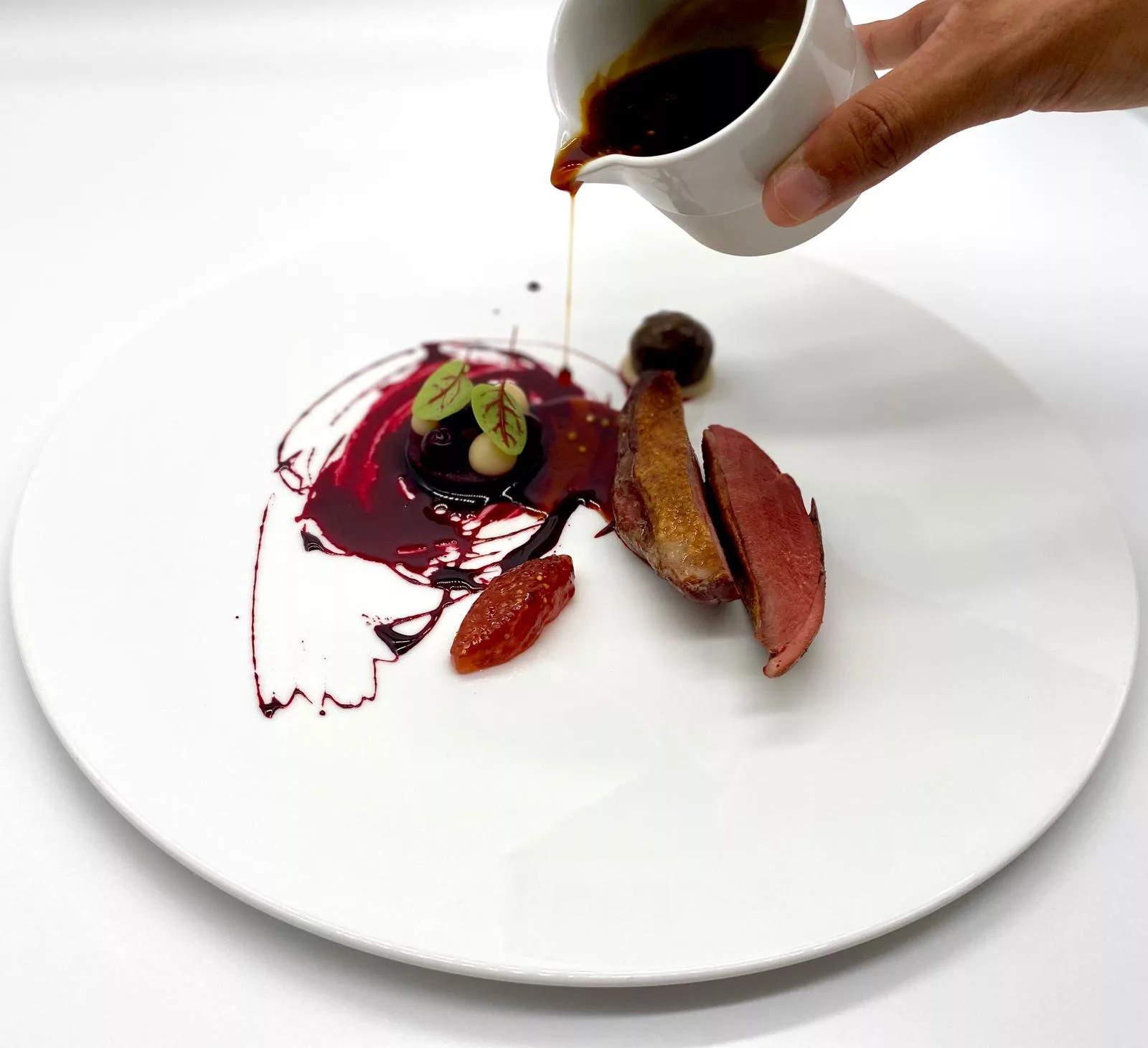 Pigeon de Racan, the pigeon of Touraine prized by French chefs, prepared au sang, killed the traditional way so the blood stays in the flesh and gives the breast its color and depth. Here a chef finishes it with its jus. Atlantissea supplied it to Michelin starred kitchens in Europe. It is not available in the United States, where regulations do not allow its import.
 Selective by design
How a product earns its place.
Every product on this page has passed the same three steps. We get to know the producer and the origin, at the source whenever we can. We check the file, from quality and traceability records to the documents the product needs to enter the United States. Then we taste and cook it ourselves, at the producer's, in a restaurant we visit, or in our own kitchen on the road. What does not pass stays out, however attractive it looks on paper.
For a producer, the same steps are our commitment in return. A product that passes keeps its origin and identity all the way to the plate, and we defend it with every buyer we serve. A short list we can stand behind, with a story behind every product, is worth more than a long one we cannot.
- KNOWN AT ORIGIN
- DOCUMENTED AND TRACEABLE
- Tasted at origin
Photograph, pigeon de Racan finished with its jus
What we check
Five tests every product must pass.
We cook it, taste it and weigh it ourselves before we offer it. We judge every product on the same five points and share the results with the producer, so both sides know what reaches the plate. Once it is on our list, cut and portion weight can be matched to a chef's brief, wherever the producer's line allows.
-
Flavor
Clean, true to the species and to its origin, and the same from one lot to the next.
-
Texture
Firmness, moisture and finesse on the palate, not only good looks on the board.
-
Cooking behavior
Fresh or thawed, it holds its moisture and behaves the same on the heat, service after service.
-
Yield
What the kitchen actually gets from a whole piece, measured in our own tests, never assumed.
-
Consistency
Sizes and portion weights that match the brief, case after case, stated as the band for the lot.
Where it comes from
Many origins, one standard.
South America brings Amazonian fish from Peru and wild red shrimp from Patagonia. North America brings sablefish and red sea urchin from the cold North Pacific. Northern Europe brings Norwegian salmon, langoustine and smokehouse products, and yellowtail raised on land in Denmark. Japan brings its own yellowtail. Southern Europe brings bluefin, carabineros and octopus from Spain, escargots from France and truffles from Italy. Australia brings barramundi, rock lobster and abalone, and our caviar comes from sturgeon farms in several countries.
What they share is not a region but a standard. Every producer, wherever they are, is qualified on the same file before anything ships. That file holds facility registration and a food safety plan where they apply, catch or rearing records, feed records where relevant, and the documents the product needs to enter the United States, from CITES permits to catch documents. If your product meets that standard, distance does not matter.
Start a conversation
Have a product, or looking for one.
Producers, tell us about your product, its origin and its story, and we will tell you plainly whether and how it can reach U.S. kitchens. Chefs and buyers, tell us what your kitchen, hotel, club or counter is looking for, and we will confirm what can be sourced and when.