
 English
  Español
  Français
  Italiano
  Português
  Deutsch
  Nederlands
  Norsk
Norsk Sourcing and sustainability
Heritage, culture and tradition, carried from the farm to the menu.
We source from producers committed to sustainability, traceability and animal welfare, and we go to the source to understand what makes each product singular before any commercial discussion begins. We buy direct and keep the producer's heritage at the heart of the brand, so a chef can make a claim on a menu with confidence.
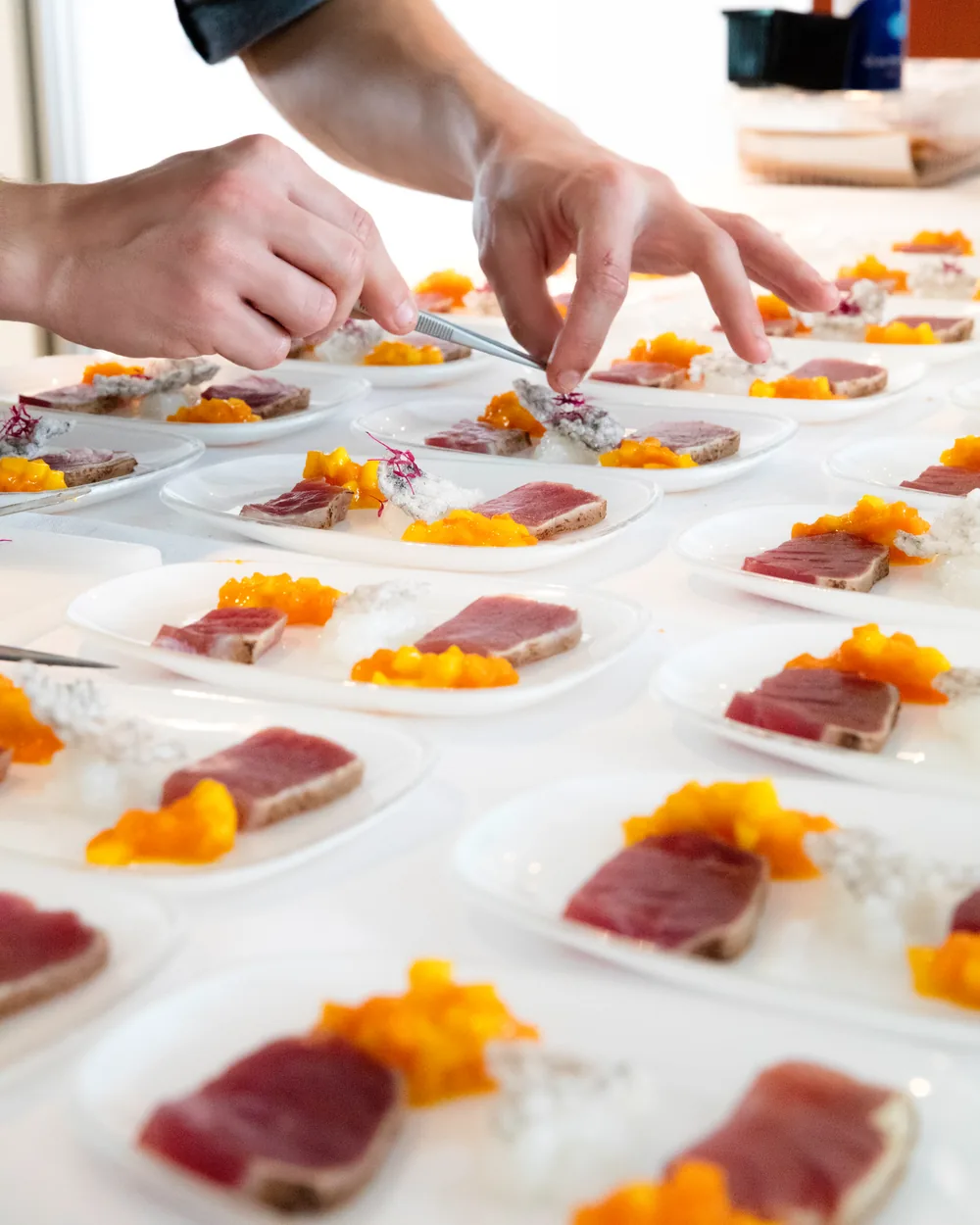
Producers first
Direct relationships, margin at both ends.
Sourcing is direct from the producer, not through a trading intermediary. This preserves margin at both ends, shortens the traceability chain, and gives the buyer access to the story behind the product.
A producer's identity is an asset, not a cost. The brand may be the producer's own, one we build together, or one we develop for the product, and in each case the producer's heritage, culture and tradition stay at its heart.
- Bought direct
- Credited on request
- Heritage kept
Photograph, service in a professional kitchen
Traceability
A commercial argument, not only a compliance obligation.
-
Single source
One named farm or one named artisan producer behind each product, so the line from origin to kitchen is short and documented.
-
Batch level identification
Where the production allows it, identification down to the batch, the pond, or the boat, recorded and kept with the file.
-
Documented feed and rearing
For aquaculture, a documented feed regime and rearing records. They are what allow a chef to make a claim on a menu with confidence.
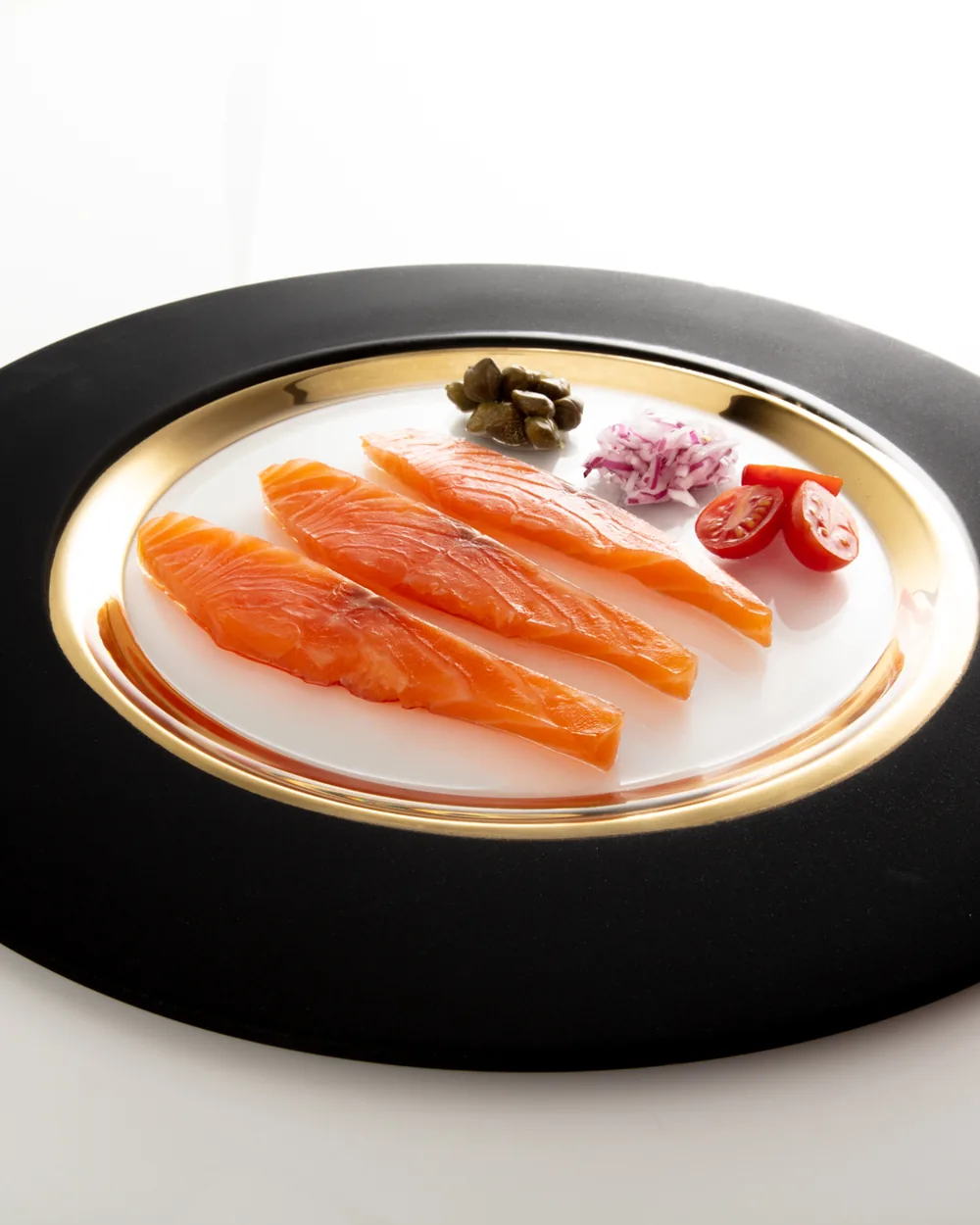
A partnership, as it happens
A traditional smokehouse on the Norwegian coast.
A small, family run smokehouse where cold smoking is still done the slow way. Methods handed down through generations, sustainably sourced Atlantic salmon, local hardwood for the smoke. Production stays limited by design, the kind of quality that never needed to travel, because local demand always took everything they made.
With Atlantis Partners United, the smokehouse is now being prepared for demanding professional buyers. Brand identity, compliance, and export readiness are built jointly, at the producer's pace, and the product reaches professional kitchens under the smokehouse's own name.
Photograph, cold smoked salmon from the smokehouse
Welfare and handling
Quality drivers, not afterthoughts.
Animal welfare and post harvest handling are quality drivers. Techniques such as ikejime and high pressure processing are applied where they materially improve the product, and never as a claim for its own sake.
Handling continues on our side of the chain, with cold storage in Miami, temperature controlled delivery, and specification sheets and yield guidance for the kitchen.
The people behind the product
Fair work is part of the product.
Behind every product there are people. We choose producers who look after theirs, and we ask every producer the same four things, because every buyer in the United States will ask them of us.
-
No child labor
Everyone at work is of legal working age, and no young worker does hazardous work.
-
No forced labor
Work is freely chosen. No debt to the employer, no papers held back, no fee charged for the job.
-
Fair pay, paid on time
At least the legal wage, in full and on time, with the hours and the rest the law provides.
-
Safety and respect
Safe conditions and protective equipment, and the same respect for every worker, local, migrant or seasonal.
United States law, Section 307 of the Tariff Act of 1930, forbids the import of any product made, wholly or in part, with forced labor. The European Union applies its own ban from 14 December 2027.
Start a conversation
Producing something responsibly?
If you make a product you believe deserves a professional kitchen in the United States, tell us how you make it. We will tell you honestly whether it fits.